
Jamaican gizzada is a small Jamaican coconut tart with a crisp pastry shell and a sweet, spiced filling. The combination of coconut, brown sugar, nutmeg, and ginger gives each bite a rich flavor. Its pinched pastry edge also gives gizzada the familiar look that sets it apart from other coconut tarts.
The trick to a good gizzada is getting the texture right. The pastry should be firm and lightly crisp, while the coconut filling should stay moist without becoming runny. This recipe walks through both parts step by step, along with simple tips for shaping, baking, storing, and serving the tarts.
What Is Jamaican Gizzada?
Jamaican gizzada is a small open pastry filled with sweetened coconut and warm spices. The pastry has a raised edge that is pinched by hand, while the filling usually combines grated coconut, brown sugar, nutmeg, and ginger.
The result is a simple dessert with two different textures. The pastry gives you a firm, lightly crisp bite, while the coconut center stays soft and chewy. Gizzada is also known as pinch-me-round, a name linked to the way the pastry edge is shaped.
Jamaican Gizzada vs. Coconut Tart
Jamaican gizzada may look similar to other coconut tarts, but its shape and flavor make it special. Traditional gizzada has a raised pastry edge that bakers pinch by hand. This gives each tart its familiar appearance.
The coconut filling also has a distinct Jamaican flavor. Brown sugar adds a deep sweetness, while nutmeg and ginger give the filling a warm, slightly spicy taste.
Why Is Gizzada Called Pinch-Me-Round?
The name pinch-me-round comes from the way the pastry edge is shaped. Bakers pinch the dough around the outer rim to create small points or folds.
This simple technique gives gizzada its traditional look. It also helps form a small border that holds the coconut filling inside the pastry shell.
Jamaican Gizzada Ingredients
A good Jamaican gizzada starts with a simple pastry and a flavorful coconut filling. Each ingredient has a small but important role in the final texture and taste.
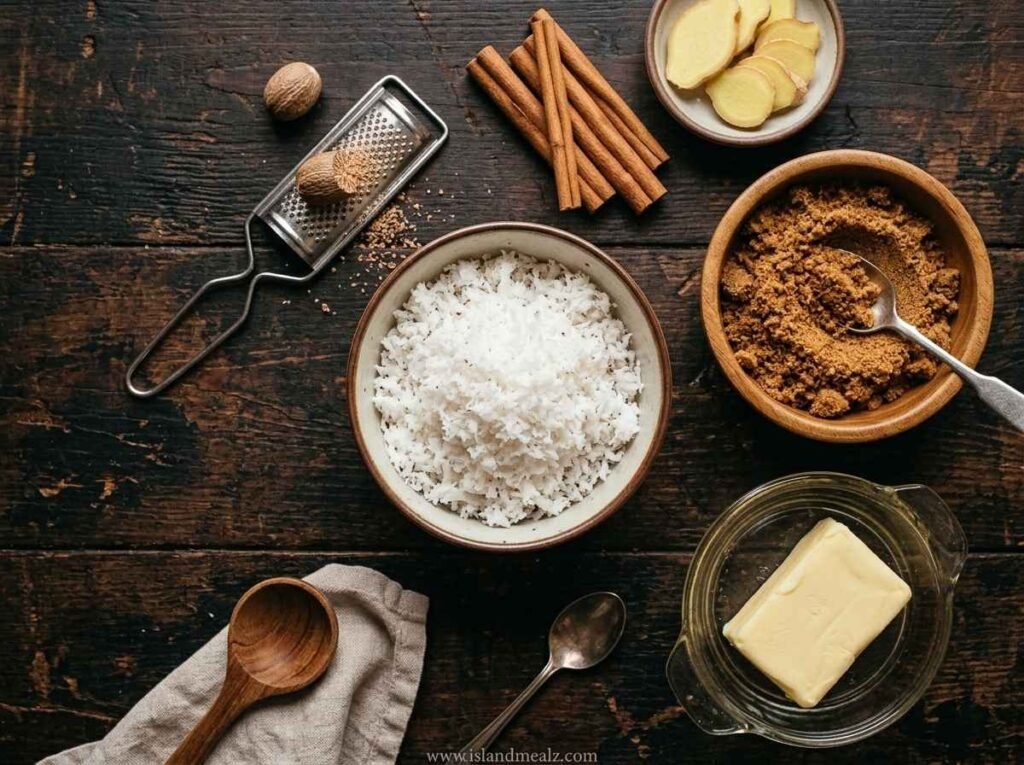
Ingredients for the Pastry Shell
- All-purpose flour: Forms the base of the pastry.
- Butter: Adds flavor and helps create a tender crust.
- Shortening: Helps make the pastry crisp and easy to shape.
- Salt: Balances the sweetness and improves the flavor.
- Cold water: Bring the dough together without making it too soft.
Ingredients for the Coconut Filling
- Fresh grated coconut: Gives the filling its rich coconut flavor.
- Brown sugar: Adds sweetness and a deep caramel-like taste.
- Nutmeg: Provides a warm, traditional spice flavor.
- Fresh ginger: Adds a mild spicy note.
- Cinnamon: Adds extra warmth and aroma.
- Butter: Makes the filling richer and smoother.
- Vanilla: Adds a gentle sweet aroma.
Which Coconut Should You Use?
Freshly grated coconut is the best choice when you want a traditional texture and fuller coconut flavor. If you use desiccated coconut, choose an unsweetened variety. Sweetened coconut can make the filling too sugary once the brown sugar is added.
Fresh coconut also contains more moisture, so don’t add the same amount of water you would use with dried coconut. Add liquid gradually and judge the mixture as it cooks.
Fresh Coconut vs. Desiccated Coconut
Fresh grated coconut gives Jamaican gizzada the best flavor and texture. If fresh coconut is not available, you can use unsweetened desiccated coconut instead.
Avoid sweetened coconut because the brown sugar already provides plenty of sweetness. If you use desiccated coconut, add a little moisture while cooking so the filling does not become too dry.
Fresh Coconut: Is It Worth Using?
If you can find fresh coconut, it is worth using for Jamaican gizzada. Freshly grated coconut has more natural moisture and gives the filling a fuller coconut flavor.
Desiccated coconut is a convenient alternative, especially when fresh coconut is difficult to find. Just remember that dried coconut absorbs moisture differently, so add liquid gradually while cooking.
Whichever option you choose, focus on the final texture. The filling should be moist and easy to spoon into the pastry, but it should not have excess liquid.
How to Make Jamaican Gizzada
Making gizzada is easier when you prepare the coconut filling first. I like to let the filling cool while I work on the pastry. Once the dough is ready, shape the small shells, add the coconut mixture, and bake until the edges turn lightly golden.
Step 1: Prepare the Coconut Filling
Add brown sugar and a little water to a saucepan. Heat gently until the sugar dissolves. Stir in the grated coconut, ginger, nutmeg, and cinnamon.
Cook the coconut mixture over medium-low heat, stirring often so the sugar does not catch on the bottom of the pan. As it cooks, the mixture will become darker, thicker, and easier to stir as one mass. Stop when most of the loose liquid has cooked away, but the coconut still looks moist.
What Should the Filling Look Like?
The filling should sit in a spoon rather than flow like a sauce. It should look moist and glossy, but there should not be a pool of liquid around the coconut.
Step 2: Make the Pastry Dough
Mix the flour and salt in a bowl. Add cold butter and shortening. Rub them into the flour until the mixture looks crumbly.
Add cold water a little at a time. Mix until the dough comes together. Do not knead it too much, as overworking can make the pastry tough.
What Should the Dough Feel Like?
The dough should hold together when pressed but should not feel wet or sticky. If it breaks apart easily, add another small splash of cold water. If it sticks to your fingers or work surface, chill it before adding more flour.
Step 3: Roll and Cut the Pastry
Place the dough on a lightly floured surface. Roll it to an even thickness. Use a round cutter or small bowl to cut circles.
Keep the pastry circles similar in size. This helps the gizzadas bake evenly.
How to Shape Gizzada Without Breaking the Pastry
The pastry should be soft enough to shape but firm enough to hold its edge. If the dough cracks while you are forming the shells, give it a little time to soften before trying again.
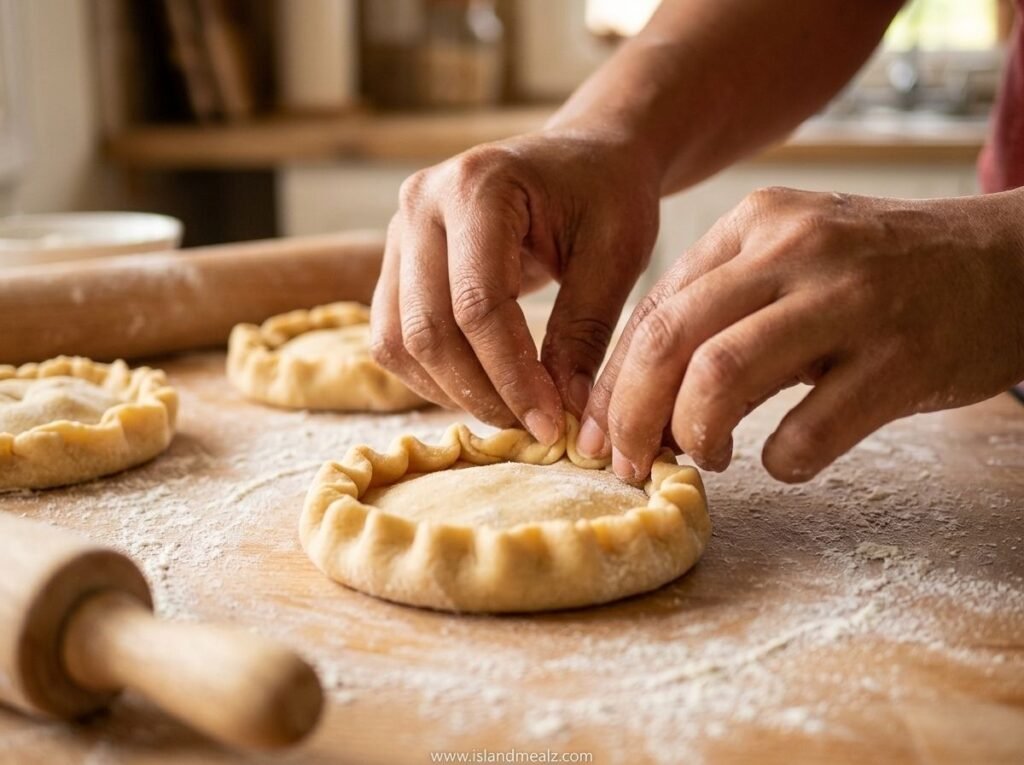
Roll the dough evenly and avoid making the center too thin. When you lift the edge, use your fingers gently instead of pulling the dough upward. Pinch small sections around the rim until you have a raised border.
Don’t worry if every gizzada looks slightly different. Small differences are normal with homemade pastry. What matters most is that the shell holds the coconut filling without breaking.
Step 4: Create the Pinched Edge
Place each pastry circle on a baking tray. Gently raise the outer edge with your fingers.
Lift the outer edge of each dough circle slightly with your fingers. Pinch a small section between your thumb and finger, then move around the circle and repeat. Keep the border high enough to hold the coconut filling. Don’t worry if every pinch looks identical; small variations are normal with homemade pastry.
Step 5: Add the Coconut Filling
Spoon the cooled coconut mixture into each pastry shell. Fill them evenly, but do not pile the filling too high.
A moderate amount of filling allows the pastry to bake properly and keeps the gizzada easy to handle.
Step 6: Bake the Gizzadas
Place the tray in a preheated oven. Bake until the pastry turns lightly golden and the coconut filling becomes set.
Remove the gizzadas from the oven and let them cool on the tray for a few minutes. Then transfer them to a cooling rack before serving.
What Should Jamaican Gizzada Taste and Feel Like?
A good Jamaican gizzada should have a firm pastry shell with a light, crisp bite. It should not feel hard or dry. The coconut filling should stay soft and slightly chewy without being wet.
The flavor should be sweet but balanced. Brown sugar gives the filling its rich sweetness, while nutmeg and ginger add warmth. Fresh coconut brings a deeper flavor that works especially well with the pastry.
If the filling spreads like a sauce, it needs more cooking. If it feels dry or crumbly, it may have been cooked too long. These small texture clues can help you know when your gizzada is ready.
Tips for Making the Best Jamaican Gizzada
- Keep the pastry cold.
Cold fat helps the pastry stay tender and easier to shape. - Add water slowly.
Stop as soon as the dough comes together. - Cool the coconut filling.
Warm filling can soften the pastry before baking. - Don’t overfill the shells.
The filling should sit neatly inside the raised pastry edge. - Watch the final minutes of baking.
Look for lightly golden pastry and a filling that has set.
Why Did My Gizzada Go Wrong?
The Pastry Is Hard
The most common causes are overworking the dough or adding too much water. Mix only until the dough comes together and handle it gently when rolling.
The Bottom Is Soggy
A wet filling can soften the pastry. Make sure the coconut mixture has cooked down properly and has cooled before you fill the shells.
The Filling Is Too Dry
The coconut mixture may have stayed on the heat too long. Remove it once the excess liquid has cooked away but while the coconut still looks moist.
The Edges Opened During Baking
The pastry may have been rolled too thin or the filling may have been too high. Keep a firm raised edge and leave some space between the filling and the top of the pastry.
Can You Use Desiccated Coconut?
Yes, you can use unsweetened desiccated coconut. It works well in the filling, but the texture may be slightly drier than fresh coconut. Add a small amount of water while cooking if needed.
Avoid sweetened desiccated coconut. The brown sugar already adds enough sweetness to the filling.
Can You Use Frozen Grated Coconut?
Frozen grated coconut is another good option. Thaw it completely before cooking and drain any excess liquid.
Can You Adjust the Spices?
You can adjust the spices to suit your taste. Nutmeg gives the filling its warm flavor, while ginger adds a mild spicy note. You can also use a small amount of cinnamon or vanilla for extra aroma.
For a more traditional taste, keep the coconut and warm spices as the main flavors.
How to Serve Jamaican Gizzada
Jamaican gizzada tastes best after it has cooled enough for the pastry and coconut filling to set. The crisp shell and sweet filling make it a satisfying snack or dessert.
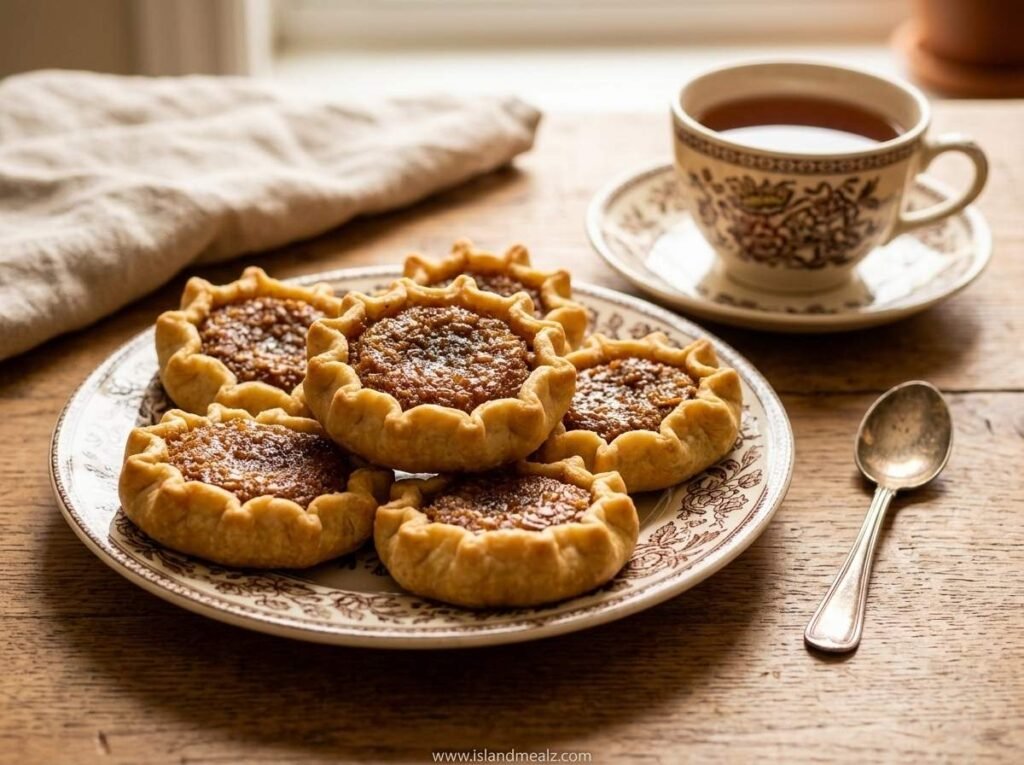
Serve gizzada with a cup of Jamaican tea, coffee, or another favorite drink. It also works well on dessert tables at family gatherings, parties, and special occasions.
For the best texture, serve it at room temperature. If you have stored the gizzadas in the refrigerator, allow them to sit out for a short time before serving.
How to Store Jamaican Gizzada
Let the gizzadas cool completely before storing them. Place them in an airtight container and keep them in a cool, dry place if you plan to eat them within a couple of days.
For longer storage, freeze the baked gizzadas in a well-sealed freezer-safe container. Thaw them before warming gently in the oven. Avoid overheating them because the coconut filling can become dry.
At Room Temperature
Place cooled gizzadas in an airtight container. Keep them in a cool, dry place away from direct sunlight and heat. For the best texture, enjoy them within a couple of days.
In the Refrigerator
If you need to keep them longer, store the gizzadas in an airtight container in the refrigerator. The pastry may become slightly softer when chilled.
Let them return to room temperature before serving, or warm them gently in the oven.
Jamaican Gizzada Recipe FAQs
What is Jamaican gizzada made of?
Jamaican gizzada is made with a pastry shell and a sweet coconut filling. The filling usually includes grated coconut, brown sugar, nutmeg, and ginger. The pastry gives it a crisp base and a light, buttery flavor.
What is gizzada called in Jamaica?
Gizzada is also commonly called pinch-me-round. The name refers to the small pinches made around the edge of the pastry shell.
What does Jamaican gizzada taste like?
It has a sweet coconut flavor with warm notes from spices such as nutmeg and ginger. The crisp pastry balances the soft, chewy filling.
Can I use desiccated coconut for gizzada?
Yes. Use unsweetened desiccated coconut when fresh coconut is not available. You may need to add a little water while cooking to keep the filling moist.
Why is my gizzada pastry hard?
Hard pastry usually comes from overworking the dough or adding too much water. Handle the dough gently and use cold ingredients for a more tender shell.
Why is my coconut filling runny?
The filling may need more cooking time. Cook it over medium-low heat until the excess liquid reduces and the coconut mixture becomes thick and sticky.
Why did my gizzada shell become soggy?
A wet filling, hot filling, or underbaked pastry can cause a soggy shell. Let the filling cool and make sure the pastry is properly baked.
How long does Jamaican gizzada last?
For the best texture, enjoy gizzada within a couple of days when stored in an airtight container at room temperature. Refrigeration can extend storage but may soften the pastry.
Can I freeze Jamaican gizzada?
Yes. Cool the baked gizzadas completely, wrap them well, and store them in a freezer-safe container. Thaw them properly and warm them gently before serving.
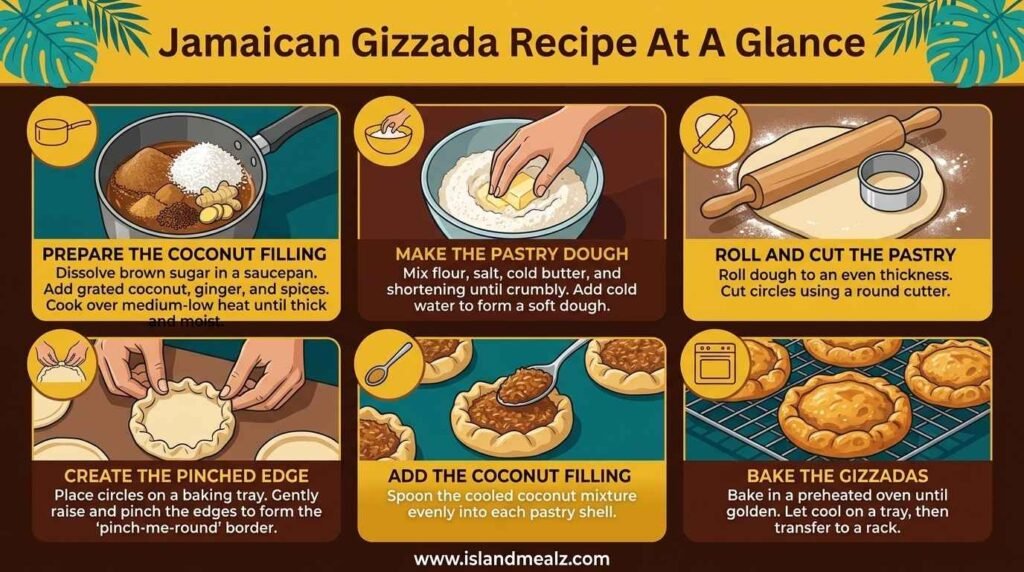
Jamaican Gizzada Recipe at a Glance
Here is a quick overview of this traditional Jamaican dessert. The exact time and yield can vary depending on the size of your pastry shells.
| Recipe Detail | Information |
| Cuisine | Jamaican |
| Course | Dessert or Snack |
| Main Flavor | Sweet coconut with warm spices |
| Main Filling | Grated coconut and brown sugar |
| Pastry | Crisp, buttery shell |
| Preparation Time | About 30 minutes |
| Cooking Time | About 25–30 minutes |
| Total Time | About 1 hour |
| Yield | About 12 gizzadas |
| Difficulty | Easy to Intermediate |
These small coconut tarts are ideal for family gatherings, afternoon tea, or whenever you want a taste of traditional Jamaican baking.
Final Thoughts
Jamaican gizzada is a great example of how a few simple ingredients can create a memorable dessert. The crisp pastry, sweet coconut filling, and warm spices give it a flavor that feels both comforting and distinctly Jamaican.
If you are making gizzada for the first time, pay the most attention to the pastry and coconut filling. Keep the dough cold, avoid overworking it, and cook the filling until it is moist but not runny. Once you get those two parts right, the rest of the recipe becomes much easier.
Serve the gizzadas after they have cooled and let the pinched edges show their homemade character. Whether you make them for your family, a gathering, or simply to enjoy with tea, this Jamaican gizzada recipe is a delicious way to bring a traditional Jamaican dessert to your table.