
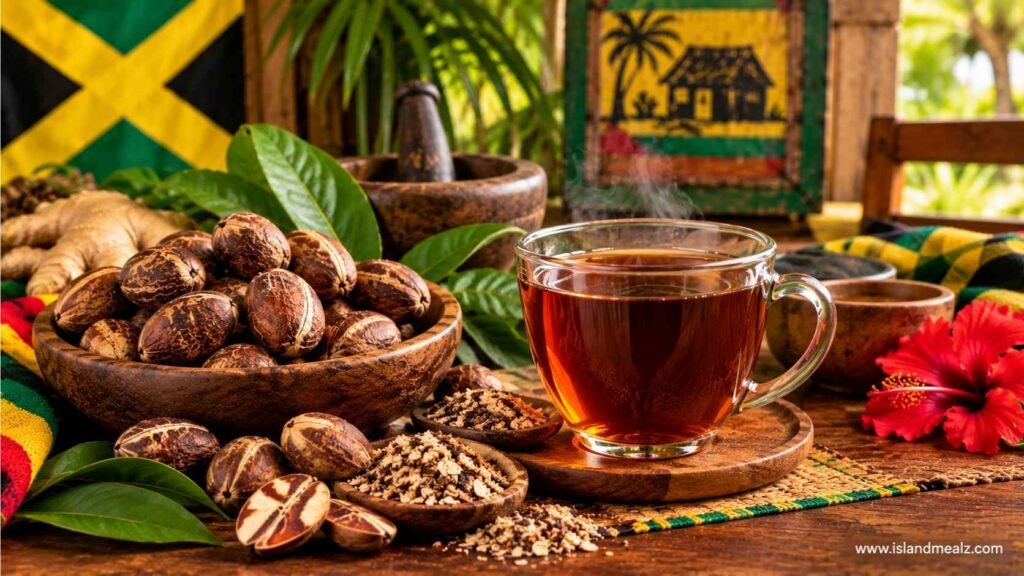
Bissy tea is one of those Jamaican drinks you may not hear about every day, but it has a long history in Jamaican homes. It is made from bissy, the Jamaican name for kola nut. The tea has a bold, bitter taste and naturally contains caffeine.
If you are trying bissy tea for the first time, you may wonder what it tastes like, how to prepare it, and why people have traditionally used it. We will cover all of that here, along with its caffeine content, traditional uses, possible side effects, and a simple way to make it at home.
What Is Bissy Tea?
Bissy tea starts with the seeds of the kola nut. In Jamaica, kola nut is commonly called bissy. The dried seed is usually grated, crushed, or ground before it is used to prepare the tea.
Bissy has been part of Jamaican bush tea traditions for generations. Unlike mild herbal teas, it has a noticeably strong flavor. The bitterness can be surprising if you have never tried it before.
Bissy also stands out because kola nut naturally contains caffeine. That gives the tea a stimulating quality that you will not find in many caffeine-free herbal teas. The actual amount can vary depending on the amount of bissy used and how the tea is prepared.
Kola nut naturally contains caffeine, which gives bissy tea its stimulating quality. The amount of caffeine can vary based on how much bissy is used and how the tea is prepared.
What Is Bissy Called in English?
If you are looking for bissy outside Jamaica, you will usually find it listed as kola nut. You may also come across names such as bissy nut or bissey nut.
The name can change depending on the source, but kola nut is the term most useful when searching for the ingredient in English.
What Does Bissy Tea Taste Like?
Bissy tea is not a sweet or delicate tea. It has a strong bitter taste with earthy and slightly astringent notes.
If you normally drink black tea, green tea, or mild herbal teas, the flavor may seem quite intense at first. Ginger, honey, or a little sugar can soften the bitterness.
Bissy Tea and Jamaican Food Culture
Bissy tea has a long place in Jamaican food and home traditions. In many Jamaican households, bush teas are made with simple plants, leaves, roots, or seeds that have been used from one generation to the next.
Bissy is one of the ingredients that has stayed connected to this tradition. Jamaican families have used it to make homemade tea, especially when they wanted something different from everyday drinks.
There is one thing worth keeping in mind when reading about bissy. A traditional use does not automatically mean that science has proven the same health effect. Some claims about bissy come from Jamaican folk tradition rather than clinical research.
Why Is Bissy Important in Jamaican Tradition?
Jamaican bush tea is closely connected to family traditions and local knowledge. Older family members often passed preparation methods and traditional uses down to younger generations.
Bissy is also connected to the wider history of the kola nut. Kola nut has roots in West Africa and later became familiar in parts of the Caribbean. This history helps explain why bissy remains part of Jamaican food culture today.
It is important to separate traditional use from proven medical benefits. People may have used bissy tea for different reasons, but traditional experience does not always mean that a health benefit has been scientifically confirmed.
Bissy Tea Benefits
Bissy tea has been used in Jamaican tradition for many years. People have traditionally enjoyed it for different reasons, including its stimulating effect and its connection to homemade bush teas.
Some effects of bissy tea may come from the natural compounds found in kola nut, especially caffeine. However, research on kola nut does not support every traditional health claim. It is better to view bissy tea as a traditional beverage rather than a treatment for a medical condition.
May Provide a Natural Energy Boost
One reason bissy tea can feel stimulating is its natural caffeine content. Kola nut contains caffeine, the same compound found in familiar drinks such as coffee and black tea.
That does not make bissy tea an energy drink. It simply means a cup may help you feel more awake or less tired for a while.
May Support Alertness
The caffeine in bissy may also help with alertness. If you are sensitive to caffeine, though, you may notice the effect more strongly than someone who drinks coffee regularly.
It is still a short-term effect. Bissy tea cannot replace a good night’s sleep when you are genuinely tired.
Traditionally Used for Digestive Complaints
Bissy has also been used traditionally for stomach and digestive complaints. This is part of the older Jamaican bush tea tradition.
There is not enough strong scientific evidence to say that bissy tea treats digestive problems. So it is better to describe this as a traditional use rather than a proven health benefit.
Traditional Uses for Other Health Concerns
Bissy has been associated with several traditional health uses over the years. These beliefs are part of Jamaican folk knowledge, but they should not be confused with established medical treatments.
Research has not established a reliable dose of kola nut tea for treating specific illnesses. If you have a health problem, use proper medical care rather than relying on bissy tea.
How to Make Bissy Tea
Making bissy tea at home is fairly simple. Traditional methods usually use dried bissy, which is grated or ground before it is added to hot water.
The tea has a strong flavor, so start with a small amount of bissy if you are trying it for the first time. You can adjust the taste based on your preference.
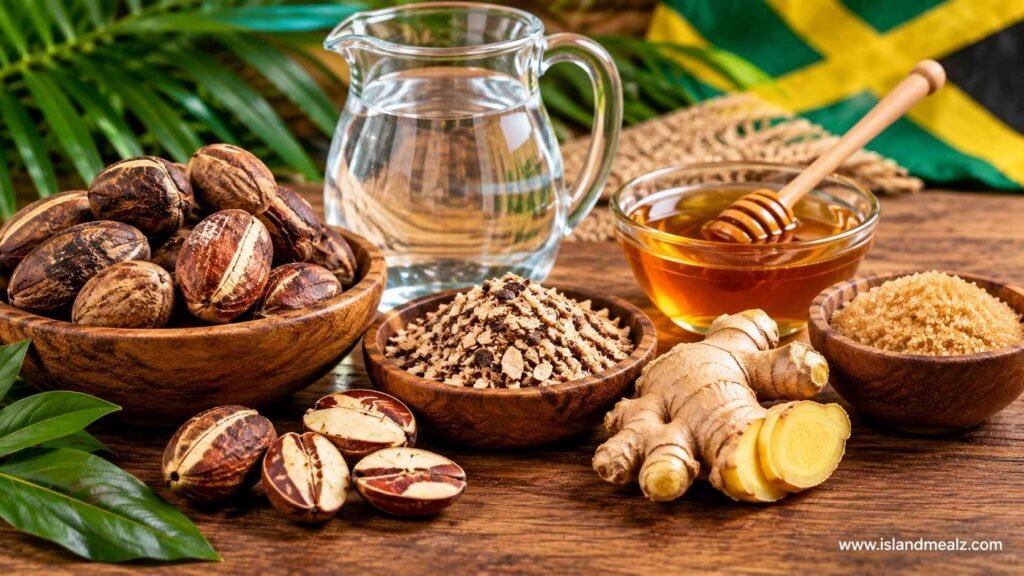
Ingredients
- 1 small piece of dried bissy or kola nut
- 2 cups of water
- A small piece of fresh ginger, optional
- Honey or sugar, optional
How to Prepare Bissy Tea
- Rinse the dried bissy to remove any dust or residue.
- Grate or lightly crush the bissy into smaller pieces.
- Add the water to a small saucepan and bring it to a gentle boil.
- Add the prepared bissy to the water.
- Add a small piece of ginger if you want a warmer flavor.
- Let the mixture simmer for a few minutes.
- Remove it from the heat and strain the tea into a cup.
- Add a little honey or sugar if the taste is too bitter.
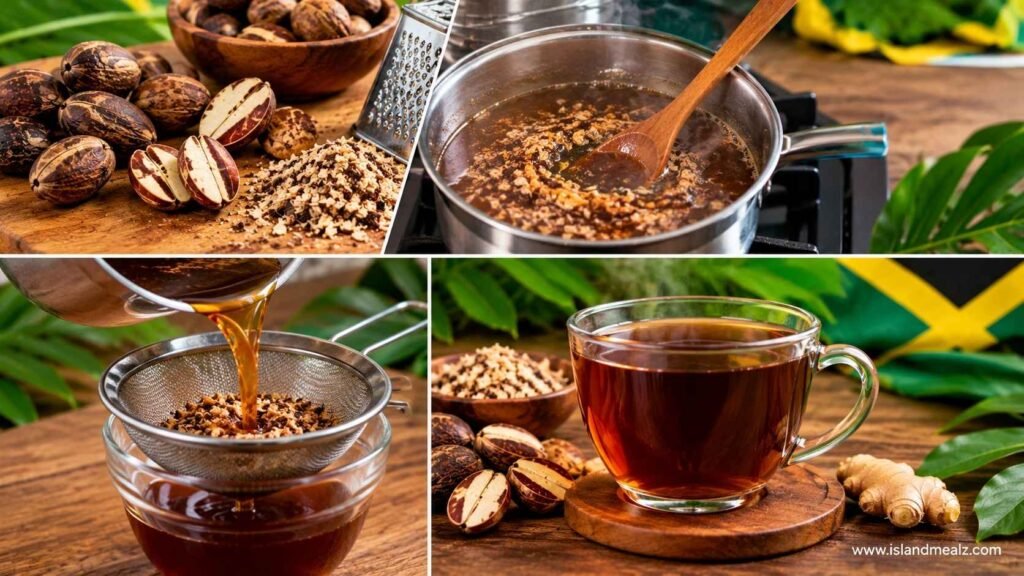
Serve it warm and taste it before adding more bissy. If this is your first time making the tea, starting with a lighter batch is a simple way to get used to its strong flavor.
How Long Should You Boil Bissy Tea?
There is no single boiling time used in every bissy tea recipe. The final strength depends on how much kola nut you use, how finely it is prepared, and how long it stays in the water.
If you prefer a lighter cup, keep the preparation shorter and use less bissy. You can make the next batch stronger if you find the first one too mild.
How to Make Bissy Tea Taste Better
Bissy has a naturally bitter taste, so simple additions can make it easier to enjoy. Fresh ginger adds a warm, spicy note, while a small amount of honey or sugar can soften the bitterness.
You really do not need much to make bissy tea more enjoyable.Keeping the recipe simple lets you enjoy the traditional flavor of Jamaican bissy tea.
What Does Bissy Tea Taste Like?
Bissy tea has a strong and bitter taste. It can also have an earthy and slightly astringent flavor that stays on the tongue after each sip.
If you are used to mild herbal teas, bissy tea may taste quite intense at first. The flavor can also change depending on how much bissy you use and how long you simmer it.
Some people add fresh ginger to give the tea a warmer and spicier taste. A little honey or sugar can also help balance the natural bitterness.
For a first cup, it is a good idea to make the tea fairly mild. You can use more bissy in a later batch if you prefer a stronger flavor.
Does Bissy Tea Have Caffeine?
Yes. Kola nut naturally contains caffeine, so a cup of bissy tea is not the same as a caffeine-free herbal tea.
The amount of caffeine in a cup of bissy tea can vary. It depends on the type and amount of kola nut used, how finely it is prepared, and how long the tea is brewed.
How Does Caffeine Affect You?
Caffeine affects people differently. For some, it provides a useful boost in alertness. For others, even a small amount can cause restlessness or make it harder to sleep.
If you already drink coffee, energy drinks, or other caffeinated beverages, remember to count bissy tea as part of your overall caffeine intake.
For this reason, it is helpful to consider bissy tea as a caffeinated drink rather than assuming that it is a caffeine-free herbal tea.
If you already drink coffee, energy drinks, black tea, or other caffeinated beverages, remember to consider your total caffeine intake for the day.
Bissy Tea Side Effects and Safety
Bissy tea is a traditional drink, but more is not necessarily better. Since kola nut contains caffeine, drinking a strong or large amount of the tea may cause problems for people who are sensitive to caffeine.
Possible Side Effects
Drinking too much caffeine from bissy tea may cause:
- Jitters or restlessness
- Trouble sleeping
- Headache
- A fast heartbeat
- Stomach discomfort
- Increased urination
The strength of bissy tea can vary from one preparation to another. A stronger cup may also provide more caffeine.
Who Should Be Careful With Bissy Tea?
Some people need to be more careful with caffeinated drinks than others. If caffeine normally makes you nervous, affects your sleep, or causes a racing heartbeat, bissy tea may not be a good choice for you.
Pregnant people should also pay attention to their total caffeine intake and discuss caffeine consumption with their healthcare provider when needed.
If you take regular medicines or have a health condition that may be affected by caffeine, talk with a healthcare professional before making bissy tea part of your routine.
Is Bissy Tea Safe to Drink Every Day?
There is no well-established daily medicinal dose for bissy tea. The caffeine level can also change from one cup to another depending on how much kola nut you use.
If you enjoy the tea, keep your serving reasonable and pay attention to how caffeine affects you. There is no need to drink large amounts simply because bissy has traditional health uses.
Bissy Tea vs. Other Jamaican Bush Teas
Bissy tea is just one of the many traditional teas found in Jamaican food culture. Jamaican households have long used different plants, leaves, roots, and spices to prepare homemade bush teas.
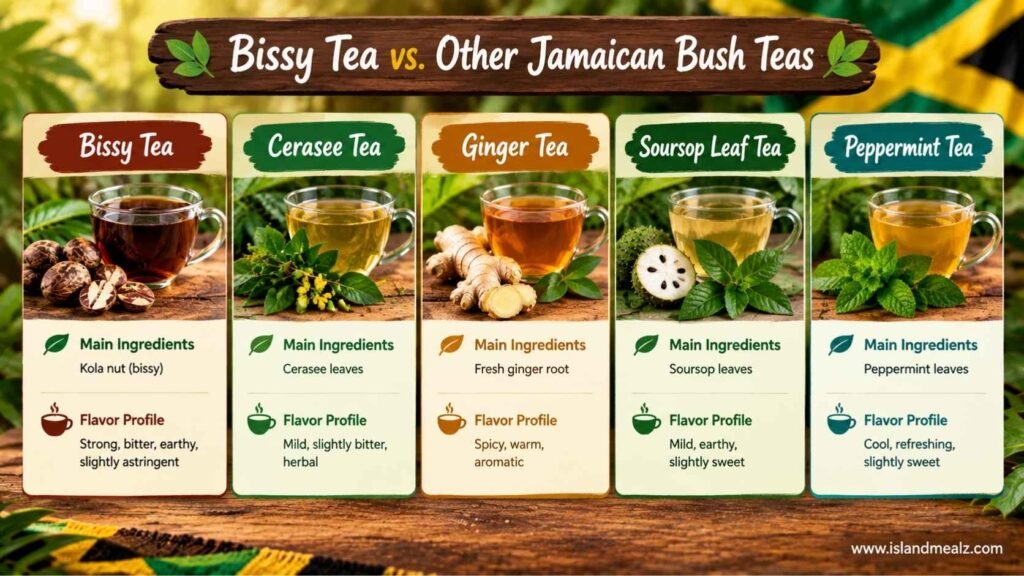
Each tea has its own flavor and preparation style. Some are naturally bitter, while others have a milder or sweeter taste.
| Tea | Main Ingredient | Flavor |
| Bissy Tea | Kola nut | Bitter and earthy |
| Cerasee Tea | Cerasee leaves | Very bitter |
| Ginger Tea | Fresh ginger | Warm and spicy |
| Soursop Leaf Tea | Soursop leaves | Mild and earthy |
| Peppermint Tea | Peppermint leaves | Cool and minty |
What Makes Bissy Tea Different?
The main difference is the use of kola nut. Unlike many caffeine-free herbal teas, bissy contains naturally occurring caffeine.
Its strong, bitter taste also gives it a distinctive character. Ginger, honey, or sugar can be added to make the flavor easier to enjoy.
Trying different Jamaican bush teas is also a fun way to discover how much the flavors can vary. Bissy is bold and bitter, while teas made with ginger, peppermint, or other ingredients can be much easier on the palate.
Frequently Asked Questions About Bissy Tea
What is bissy tea good for?
Bissy tea is traditionally enjoyed as a Jamaican bush tea. Because it is made from kola nut, it also provides caffeine, which may help with alertness. Other health claims are based mainly on traditional use and have not been well established by research.
Is bissy tea the same as kola nut tea?
Yes. Bissy is a Jamaican name for kola nut, so bissy tea and kola nut tea generally refer to tea made from the same ingredient.
Does bissy tea have caffeine?
Yes. Kola nut naturally contains caffeine. The amount in a cup can vary depending on how much bissy you use and how you prepare the tea.
What does bissy tea taste like?
Bissy tea has a strong, bitter, and earthy taste. Some people add ginger, honey, or sugar to make the flavor smoother and easier to enjoy.
Can you drink bissy tea every day?
There is no established daily medicinal amount for bissy tea. Since it contains caffeine, moderation makes sense, especially if you already drink coffee, tea, or other caffeinated drinks.
How do you make bissy tea?
You can make bissy tea by grating or lightly crushing dried kola nut and simmering it in water. Strain the tea before serving, and add ginger or a small amount of sweetener if desired.
Can you drink bissy tea before bed?
It may be better to avoid bissy tea close to bedtime. Kola nut contains caffeine, and caffeine can keep some people awake or make it harder to fall asleep.
Final Thoughts on Bissy Tea
Bissy tea offers a simple way to experience a traditional part of Jamaican food culture. Made from kola nut, it has a strong bitter flavor that makes it very different from many familiar teas.
It also contains natural caffeine, so it is worth keeping that in mind when deciding how much to drink. If you are new to bissy tea, start with a mild cup and see how you like the taste.
Whether you drink it for the flavor, the tradition, or simply to try something new, bissy tea gives you another taste of Jamaica that you can prepare right in your own kitchen.